Electric Bike vs Petrol Bike: Total Cost of Ownership
Author :
Tailg
When people compare an electric bike with a petrol motorcycle, the first thing they usually look at is the purchase price.
But the showroom price is only one part of the actual cost of owning a vehicle. Over five years, you will spend money on fuel or electricity, servicing, consumables, repairs and eventually major components. For electric bikes, the battery is the biggest long-term expense to consider. For petrol bikes, fuel and engine-related maintenance can add up significantly.
So, instead of asking “Which bike is cheaper to buy?”, a better question is: “Which bike costs less to own and operate over five years?”
For many everyday riders in Bangladesh, the difference can be substantial.
Factors of The Total Cost of Ownership
Total Cost of Ownership (TCO) looks beyond the purchase price. For an Internal Combustion Engine (ICE) motorcycle or electric bike, it can include:
Initial purchase price
Fuel or electricity costs
Regular maintenance
Brake pads and tyres
Repairs and replacement parts
Battery replacement for an electric bike
Other long-term ownership expenses
This gives you a more realistic picture of what the vehicle actually costs over several years. In this article, we’ll focus primarily on the running and maintenance costs because the purchase price varies significantly between different models.
Electric Bikes Have a Major Running-Cost Advantage
The biggest difference between electric and petrol bikes is how they consume energy. A petrol motorcycle needs fuel every time you ride. An electric bike uses electricity to recharge its battery.
As an example, let’s consider a rider who travels 1,500 km per month, or approximately 18,000 km per year.
Suppose a gasoline bike averages 40 km per litre and petrol or octane costs around BDT 120 per litre. Bangladesh’s regulated octane price was Tk 120 per litre in April 2026.
At 1,500 km per month:
1,500/40 = 37.5 litres
37.5 * BDT 120 = BDT 4,500 per month
That means approximately: BDT 54,000 per year in fuel
And that’s before accounting for maintenance.
Actual fuel consumption varies by motorcycle, traffic, riding style and road conditions, so this should be treated as an illustrative calculation rather than a universal figure.
What Does an Electric Bike Cost to Run?
Electric bikes use considerably less expensive energy per kilometre. As of 2026 market prices, we can estimate that electric-bike energy costs at around BDT 0.25 to BDT 0.40 per km, compared with approximately BDT 3.25 per km for a petrol bike under its stated assumptions.
Another Bangladesh study comparing representative electric and petrol motorcycles found substantially lower monthly energy and maintenance costs for the electric models it examined. Check out our savings calculator for electric bikes.
Let’s use a conservative BDT 0.35 per km for our example.
At 1,500 km per month:
1,500 * BDT 0.35 = BDT 525 per month
Or approximately, BDT 6,300 per year
That means the difference in energy cost alone could be around: BDT 54,000 – BDT 6,300 = BDT 47,700 per year
This is where electric bikes start to show a significant long-term advantage.
Maintenance Costs Add Another Difference
Fuel isn’t the only recurring expense. A petrol motorcycle has an internal-combustion engine with components that require regular servicing. Depending on the bike, this can include:
Engine oil
Oil filters
Air filters
Spark plugs
Clutch-related servicing
Engine-related maintenance
Other mechanical components
An electric bike eliminates many of these engine-related maintenance requirements. That doesn’t mean an electric bike is maintenance-free. Brakes, tyres, suspension, bearings, electrical systems and other components still require inspection and replacement when necessary.
A Bangladesh comparison published in 2026 estimated annual petrol-bike maintenance at around BDT 6,000 to BDT 12,000, compared with approximately BDT 2,000 to BDT 4,000 for electric bikes, although actual costs vary by model and usage. If we use BDT 10,000 per year for petrol-bike maintenance and BDT 4,000 for electric-bike maintenance in our example, that’s another BDT 6,000 annual saving.
Potential Annual Savings With Electric Bike Is Around BDT 50,000+
Now let’s illustrate the annual running-cost comparison for electric bikes with gasoline bikes.
Cost
Petrol Bike
Electric Bike
Annual distance
18,000 km
18,000 km
Energy/fuel cost
Approx BDT 54,000
Approx BDT 6,300
Routine maintenance
Approx BDT 10,000
Approx BDT 4,000
Estimated annual operating cost
Approx BDT 64,000
Approx BDT 10,300
Potential annual difference
Approx BDT 53,700
Under these assumptions, an electric-bike rider could save approximately BDT 50,000 to BDT 55,000 per year compared with the petrol-bike example.
That is broadly consistent with other Bangladesh market estimates that put potential annual operating savings from switching to an electric bike in the BDT 40,000 to BDT 60,000 range, depending on mileage, fuel economy and maintenance costs.
The important point is that your actual savings depend on how much you ride. Someone travelling 500 km a month will save considerably less than someone travelling 1,500 km.
What Does That Mean Over Five Years?
Now comes the more interesting part. If the annual operating-cost difference is approximately BDT 53,700, then over five years, then BDT 53,700 * 5 = BDT 268,500
So, under this illustrative usage scenario, the electric bike could provide approximately BDT 2.7 lakh in fuel and routine-maintenance savings over 5 years. But there is an important catch, which is the battery.
The Battery Is the Biggest Long-Term Cost to Consider
One of the common mistakes when discussing electric-bike savings is to assume that the battery will last forever. But unfortunately, it won’t.
The battery is one of the most expensive components of an electric bike and eventually it may need replacement. Battery lifespan depends on chemistry, charging habits, temperature, usage and the specific battery design.
This is why battery technology and cycle life should be important considerations when buying an electric bike. A battery rated for a higher number of charging cycles can potentially provide a longer useful service life before significant capacity degradation.
Why Battery Cycle Life Matters
Let’s consider two riders. One buys an electric bike with a battery designed for a relatively short cycle life. Another chooses a model with a battery designed to retain up to 80% of its original capacity through thousands of charging cycles.
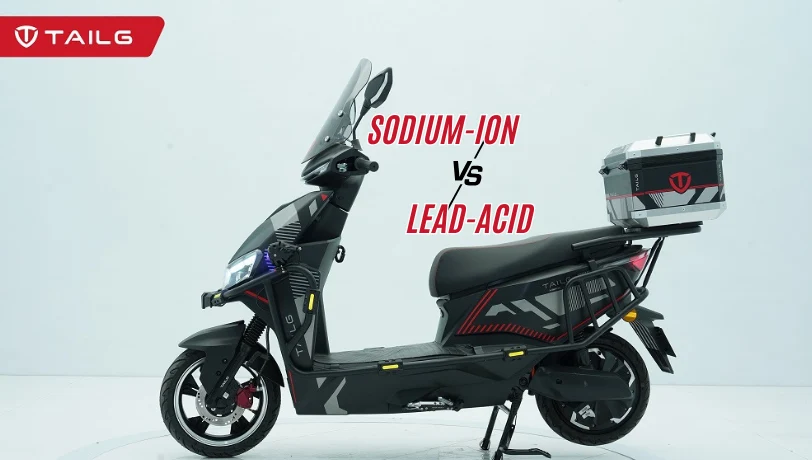
The second rider may have a longer period before needing to consider a battery replacement. This is one reason newer battery technologies such as Sodium-Ion and LMFP are becoming increasingly interesting in electric vehicles.
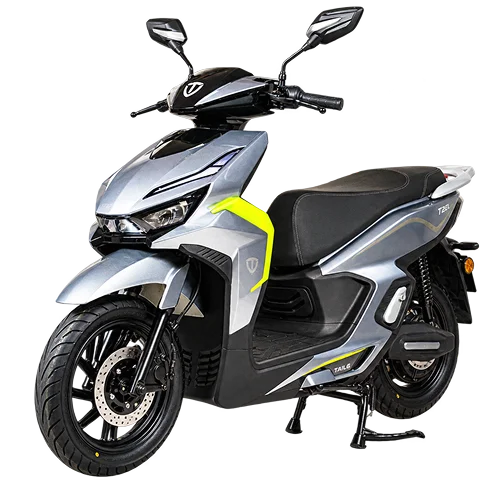
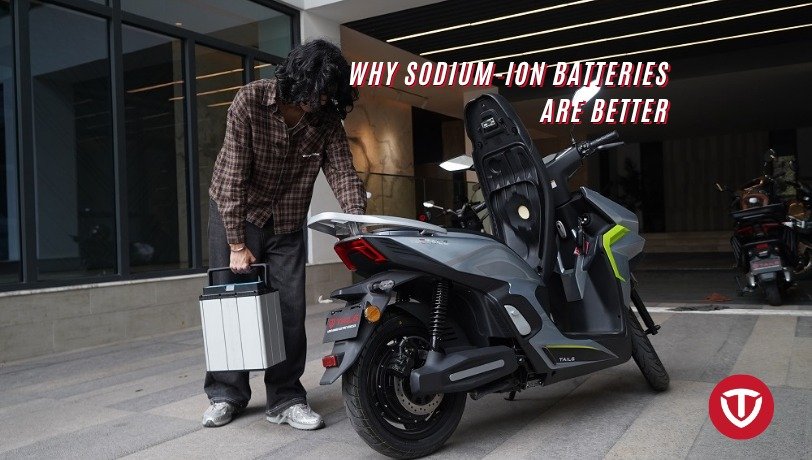
1. TAILG T53 Uses Sodium-Ion Battery
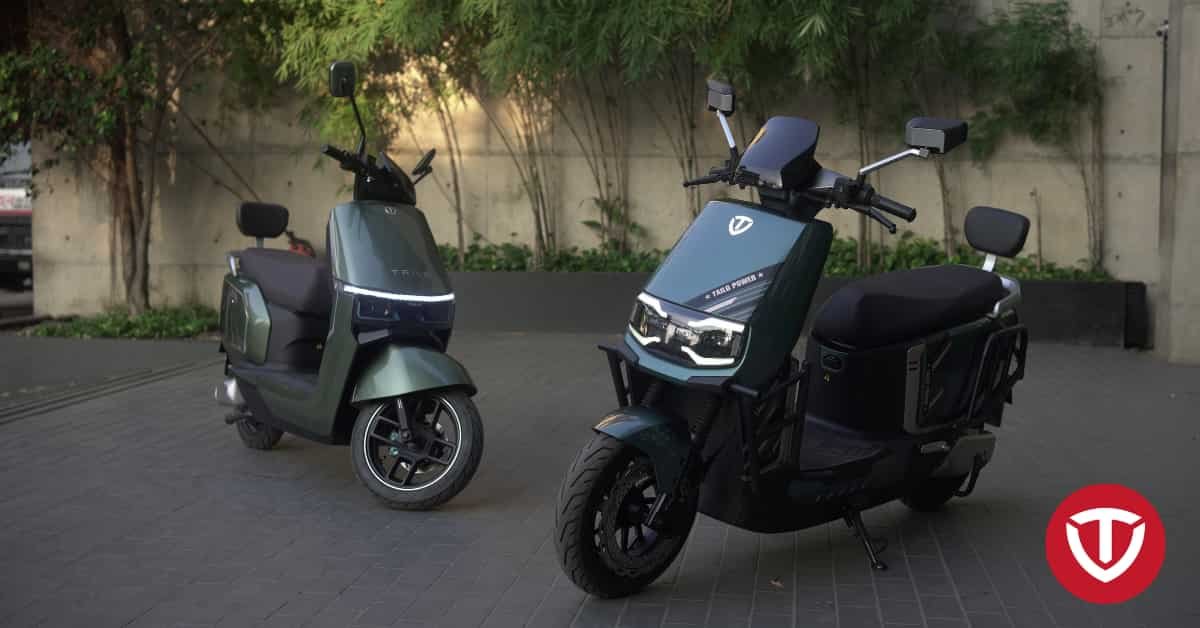
The TAILG Rhino T53 uses a 72V/35Ah Sodium-Ion battery rated for 2000+ charging cycles. TAILG specifies this as up to 80% capacity retention through 2000+ cycles under the relevant testing conditions. Importantly, 2000+ cycles does not mean the battery stops working after 2000 charges. It can continue operating beyond that point, although its capacity will naturally decrease over time.
For riders concerned about long-term ownership costs, battery cycle life is therefore an important specification to consider.
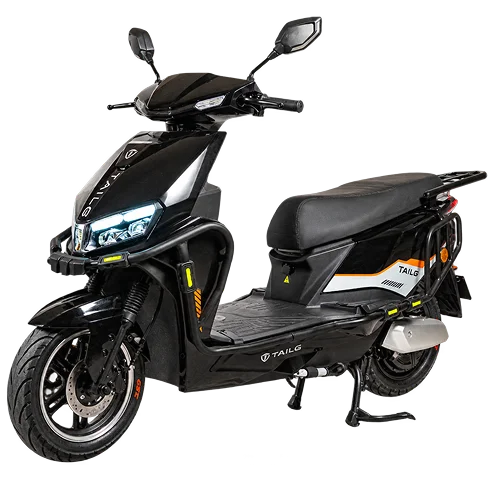
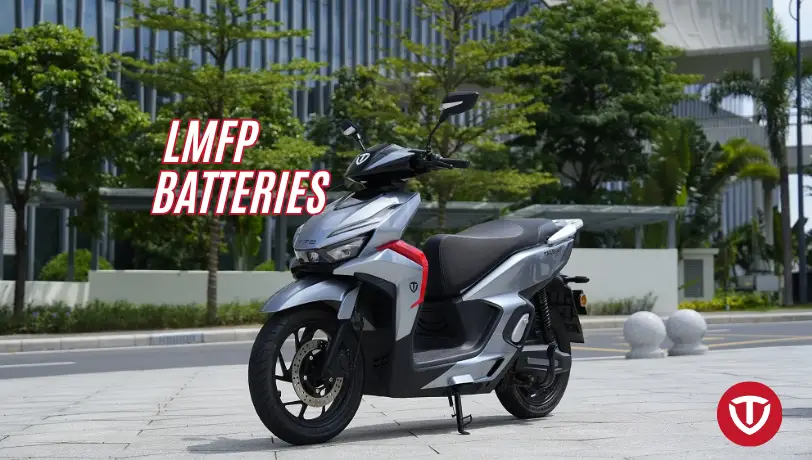
2. TAILG T72L With LMFP Battery
The TAILG Jaguar T72L takes this even further with a 76V/32Ah LMFP battery rated for 3000+ charging cycles. The battery is designed to retain up to 80% of its original capacity through 3000+ cycles under the relevant testing conditions.
The T72L therefore offers a particularly high cycle-life specification for riders who want to prioritize long-term battery durability alongside performance.
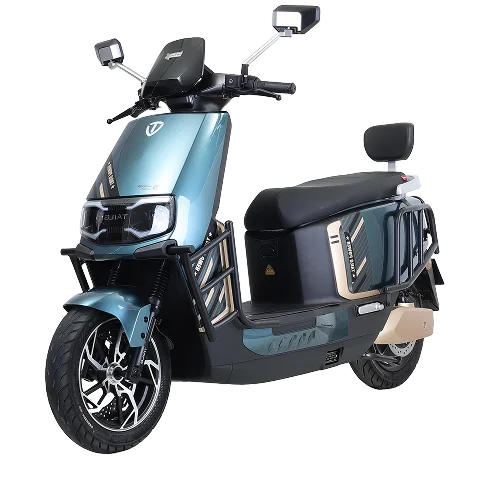
3. TAILG F73L Have 2500+ Cycle Battery
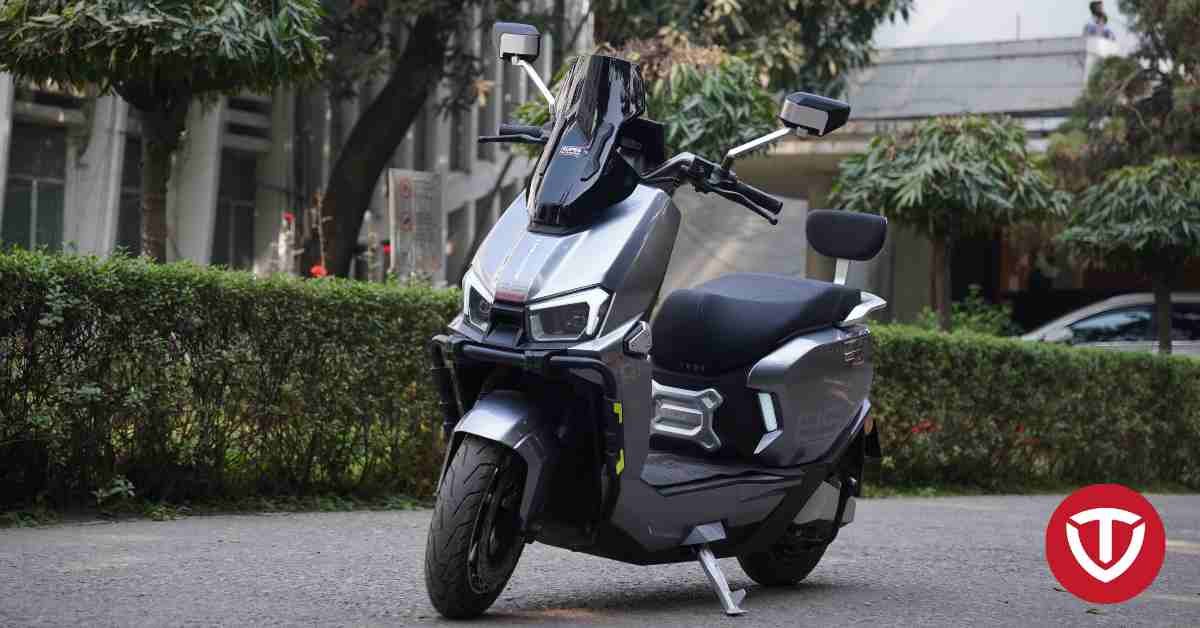
The TAILG Super Phoenix F73L uses a 72V/38Ah Graphene battery rated for 2500+ charging cycles, with up to 80% capacity retention under the relevant testing conditions. This gives riders another option for prioritizing battery longevity while also getting a 2000W motor and up to 75 km/h top speed.
Even With Battery Replacement, the Savings Can Add Up
Let’s return to our five-year example. Suppose the electric-bike rider saves approximately BDT 53,700 per year in fuel and routine maintenance.
Over five years, there will be a BDT 268,500 total operating savings for an electric bike owner.
Now suppose the rider eventually needs a battery replacement costing BDT 50,000.
The net difference would still be approximately: BDT 268,500 – BDT 50,000 = BDT 218,500
That’s approximately BDT 2.2 lakh in net running-cost savings over five years, before considering differences in purchase price, financing, insurance or other ownership costs.
The battery replacement cost used here is only an illustration. Actual battery prices vary substantially depending on the model, battery chemistry, capacity and replacement market. This is precisely why it is important to look at battery life rather than battery price alone.
Electric Bike vs Petrol Bike: Five-Year Running Cost
Using the same illustrative assumptions:
Cost over 5 years
Petrol Bike
Electric Bike
Fuel/Electricity
Approx BDT 2,70,000
Approx BDT 31,500
Routine maintenance
Approx BDT 50,000
Approx BDT 20,000
Battery replacement
N/A
Approx BDT 50,000*
Estimated total
Approx BDT 3,20,000
Approx BDT 1,01,500
Difference
Approx BDT 2,70,000
*Illustrative battery replacement cost only. Actual replacement cost depends on the model and battery.
This calculation excludes the initial purchase price because we’re comparing the ongoing cost of ownership. To calculate complete TCO, you would add the purchase price of each specific bike, registration or other applicable costs and any financing expenses.
Cost Isn't The Only Reason For Considering An Electric Bike
Electric bikes also eliminate tailpipe emissions during operation and generally produce much less noise than petrol motorcycles.
They can also be simpler to maintain because the electric bike does not require engine oil changes, spark plugs or many other engine-related services. But these advantages shouldn’t lead buyers to assume that electric bikes require no maintenance.
Brakes, tyres, suspension, bearings and electrical components still need attention. A proper service network and access to genuine spare parts remain important parts of electric-bike ownership. But TAILG electric bike owners won’t have that hassle as they have service centers in each TAILG showroom. Or, you may request a home servicing if there’s no TAILG showroom in your area.
What About the Higher Purchase Price?
This is where total cost of ownership becomes particularly useful. An electric bike may have a higher or lower purchase price than a particular petrol motorcycle depending on the model. Looking only at the showroom price doesn’t tell you what you’ll spend over the next five years.
A better calculation is:
Purchase Price + Energy Cost + Maintenance + Major Replacement Costs = Total Cost of Ownership
If the electric bike costs more upfront but saves significantly on fuel and maintenance every year, the difference can gradually be recovered through operating savings. The exact break-even point depends on the purchase prices, daily mileage, electricity tariff, petrol price, maintenance costs and battery replacement requirements.
So, Is an Electric Bike Cheaper Over Five Years Time?
For a rider who travels substantial distances every month, the operating-cost difference can be significant. Under our illustrative example of 1,500 km per month, an electric bike could save around BDT 50,000 to BDT 55,000 per year in fuel and routine maintenance compared with the selected petrol-bike assumptions.
Over five years, that can amount to more than BDT 2.5 lakh in gross operating savings.
Even after allowing for an illustrative BDT 50,000 battery replacement, the difference remains substantial.
But the calculation becomes much more favorable when the electric bike uses a battery designed for a long cycle life. That’s why buyers should look beyond simply asking “How much does the battery cost?” and also ask “How long is the battery designed to last?”